Designing for Three

Designing for Three

Onboarding process as key driver for growth
Overview_

Overview_

Settly is a platform that helps skilled workers relocate to the Netherlands. As the business grew, scaling became the top priority, but fragmented processes across three user groups blocked progress.
Problem_

Moving companies didn't trust our volume estimates; they couldn't tell a small job from a big one. Without that trust, dynamic pricing wasn't possible.

My role_

I owned this initiative end-to-end. I defined the research strategy and success criteria, designed the new user flow, and led cross-functional collaboration with Product, CS, and BI, identified the failure point, and drove the pivot.

Problem_

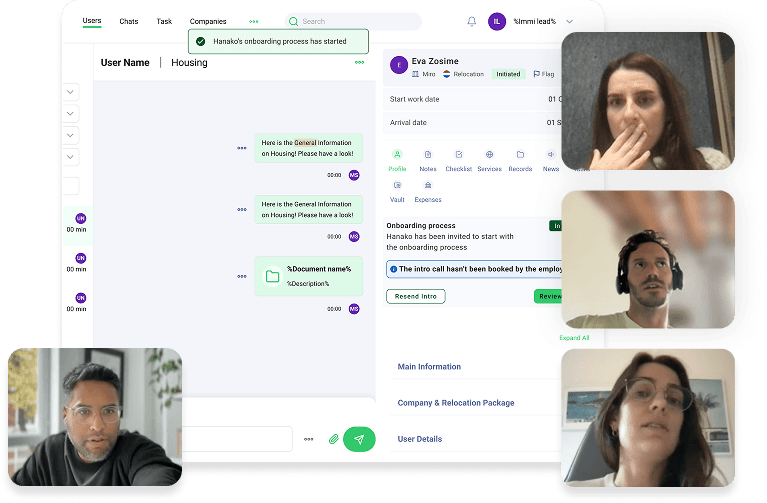
Settly lacked a standardized approach to most of its processes, with onboarding being the key piece. Every action had a ripple effect on the experience of all three user groups.

My role_

Lead the product strategy and end-to-end redesign of Settly’s onboarding system, aligning multiple user groups and processes to scale operations and enhance overall user experience effectively.

Constraints_

Timeline: We had 6 months to design, test, and launch without disrupting ongoing operations.

Bandwidth: As a small team, we had to prioritize ruthlessly and work incrementally.

Technical: The solution had to integrate with the
existing system; rebuilding from scratch wasn't an
option.

Technical: The solution had to
integrate with the existing system; rebuilding from scratch wasn't an option.

User interview / Usability test

User journey mapping workshop
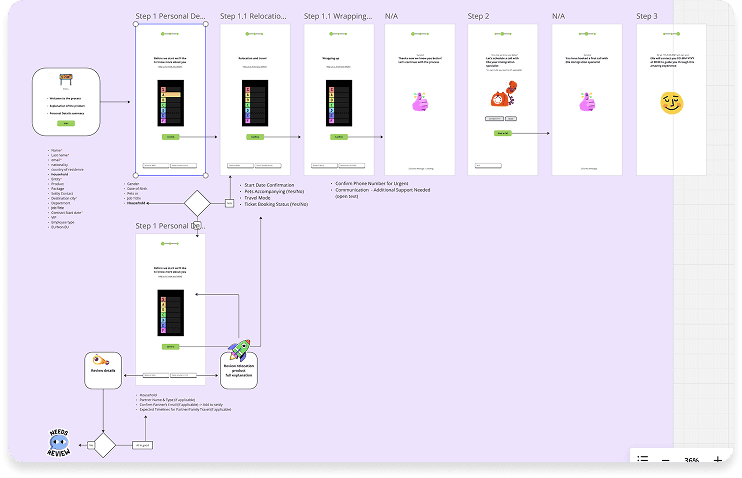
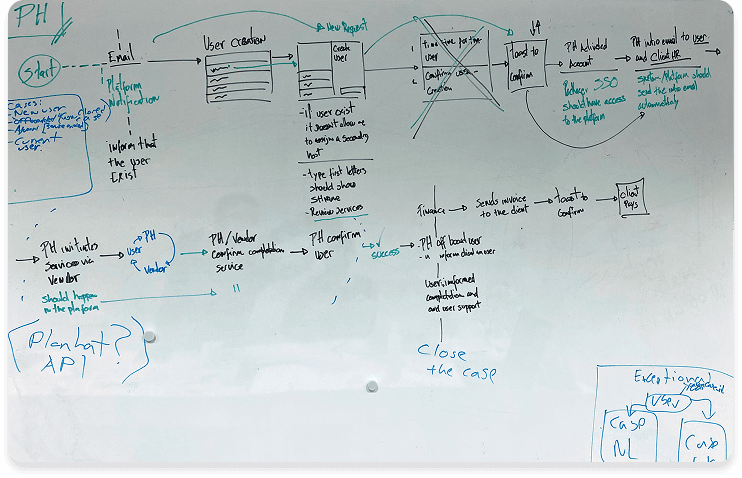
User flow mapping

Approach_

Approach_

Approach_

I approached the challenge as a systems problem, recognizing that every action across companies, skilled workers, and immigration specialists was interconnected. I mapped out the full onboarding ecosystem, managed research, and cross-functional workshops to uncover dependencies and friction points caused by the lack of standardization.

Insight_

Insight_

From this approach, a few key insights emerged:


• 65% of delays came from missing documents. Companies

often uploaded incomplete details.

• Workers were uploading documents that couldn't be

processed easily, adding to the complexity.


• External tools like Google sheets and Notion were used by
our specialist to be able to keep track of their task, adding

friction to their process.

From this approach, a few key insights emerged:


• 65% of delays came from missing
documents. Companies often
uploaded incomplete details.

• Workers were uploading

documents that couldn't be

processed easily, adding to the

complexity.


• External tools like Google sheets

and Notion were used by our

specialist to be able to keep track

of their task, adding friction to their
process.

Solution_

By testing and iterating with all three user groups, I created a scalable experience that reduced complexity, improved collaboration, and supported Settly’s goal of growing efficiently without increasing operational complexity.
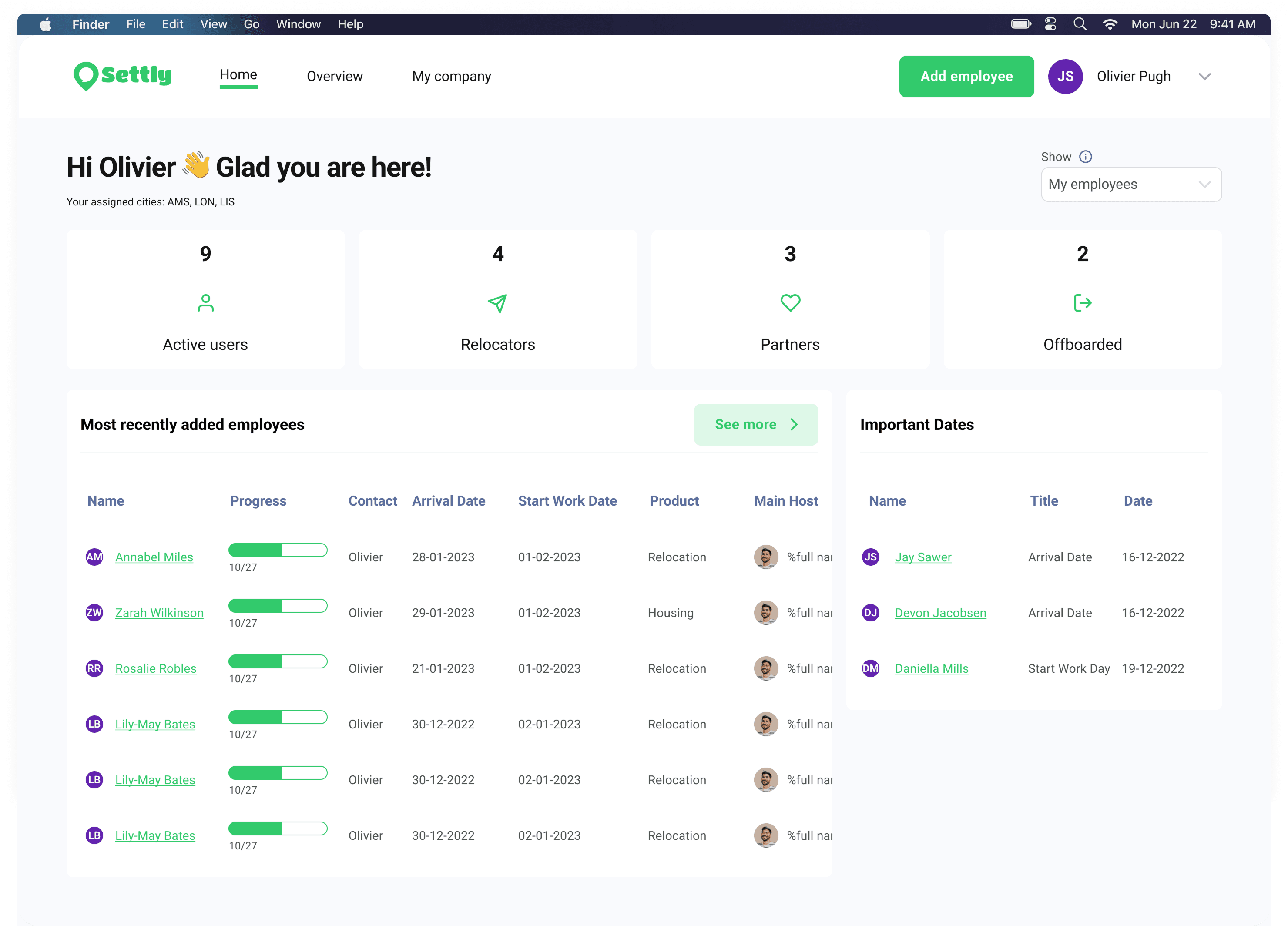
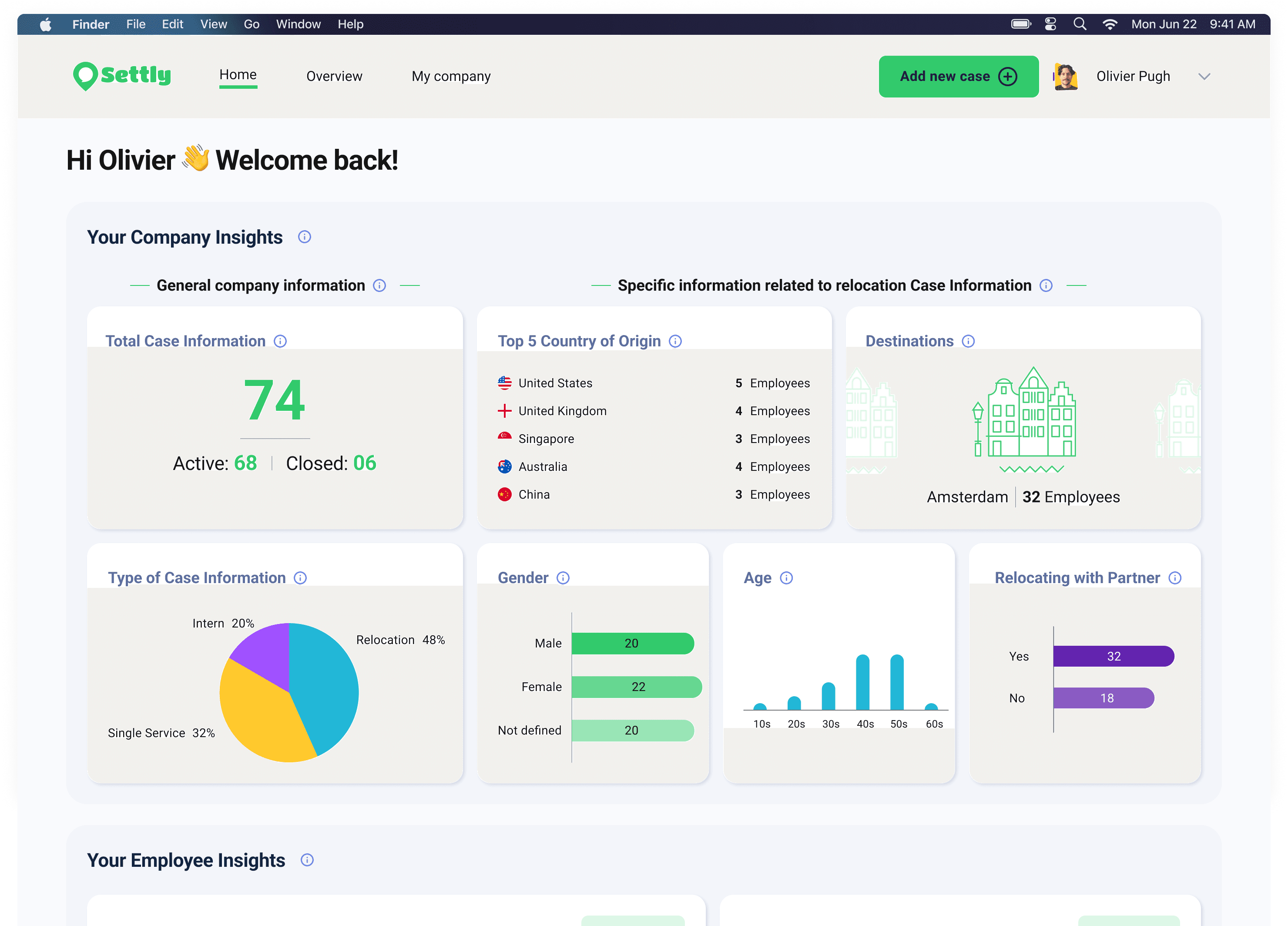
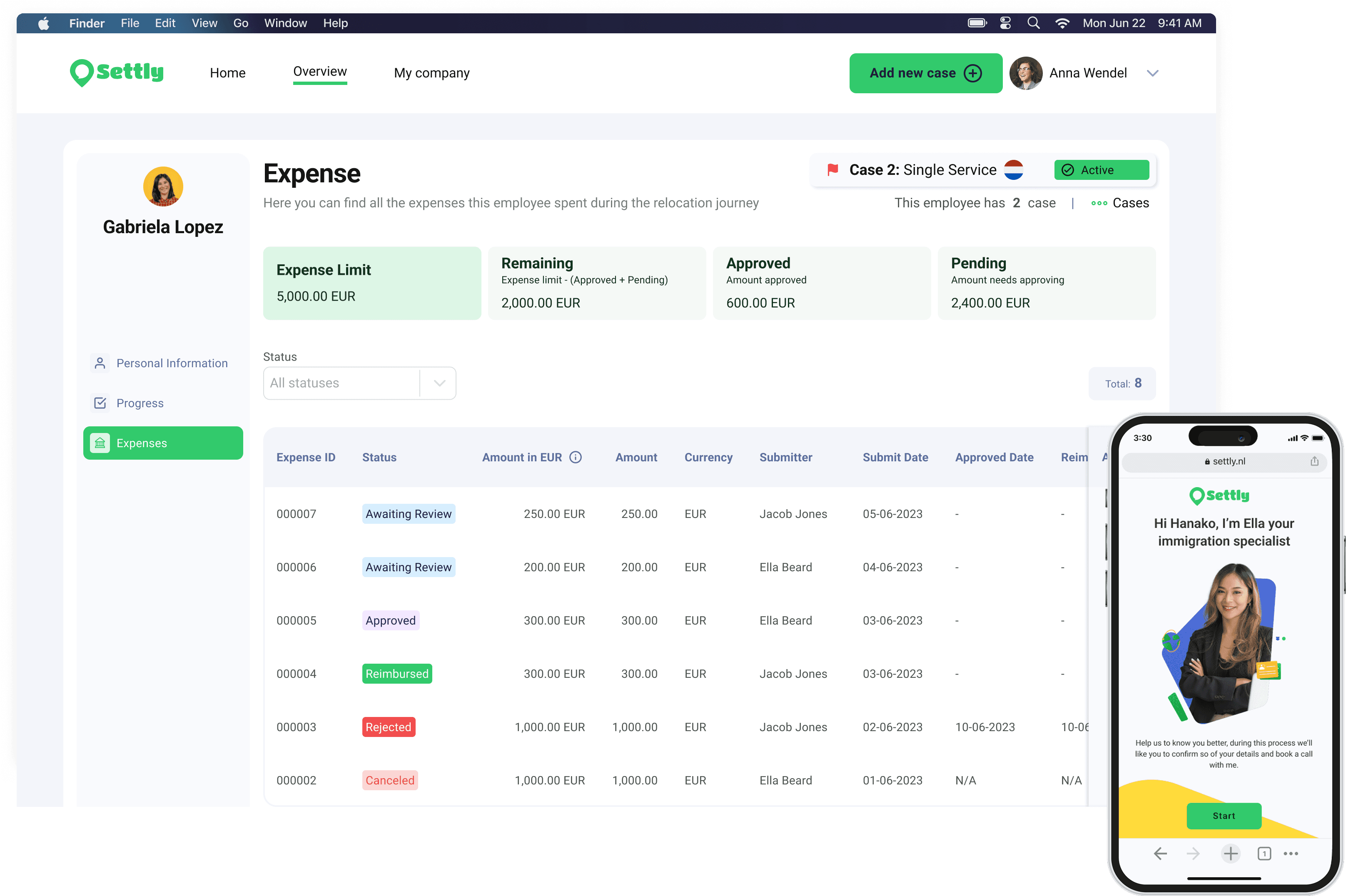
Company's Dashboard

Company's Dashboard

Companies gained live case status with visibility into the status, demographics, and initiation processes of their skill workers.

Companies gained live case status with visibility into the status, demographics, and initiation processes of their skill workers.

Before

After

After

After

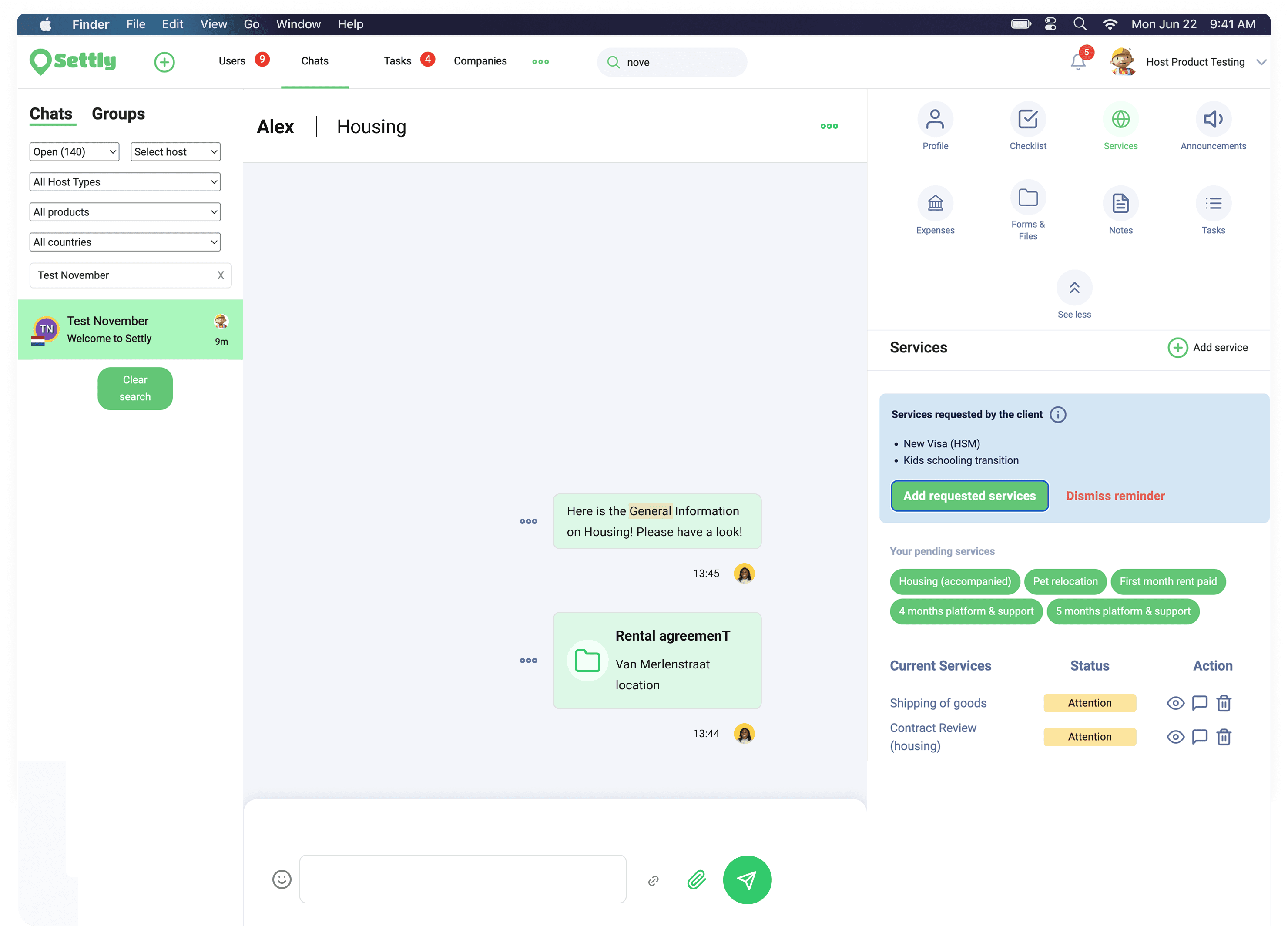
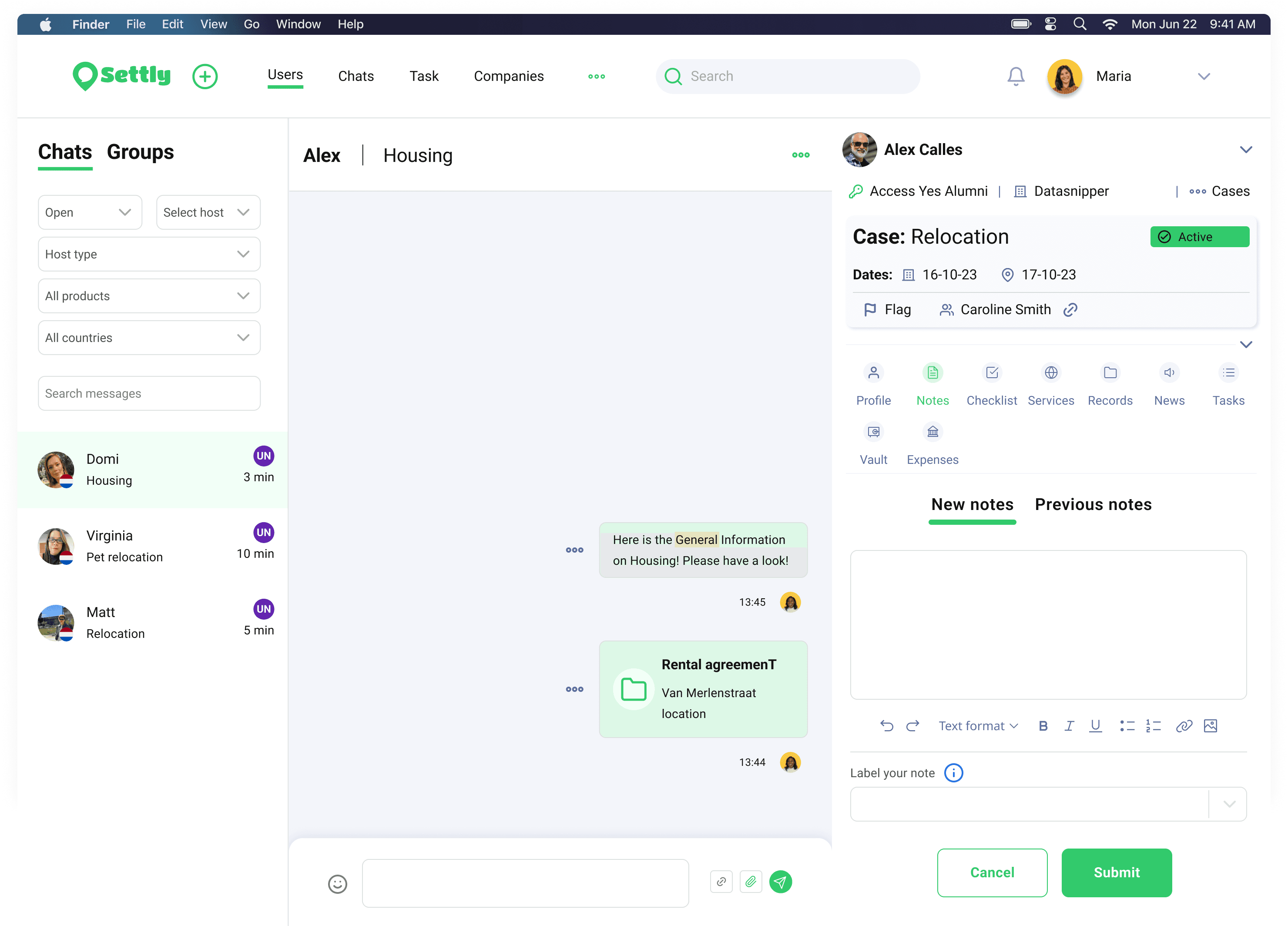
Specialists' Dashboard

Specialists got a unified workspace, note-taking, expense tracking, document vault, and process indicators, enabling them to manage the entire process in one place.


Before

After

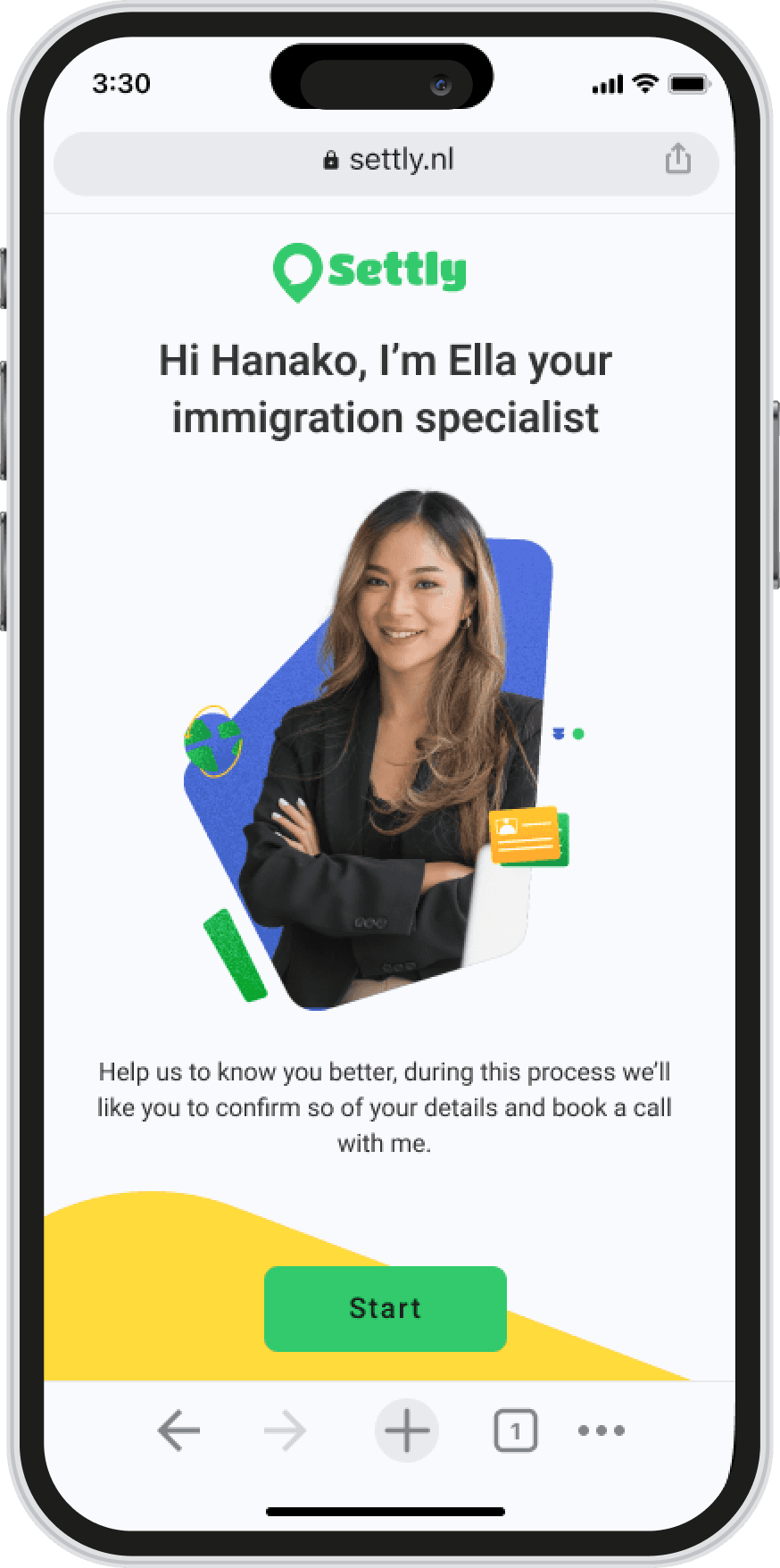
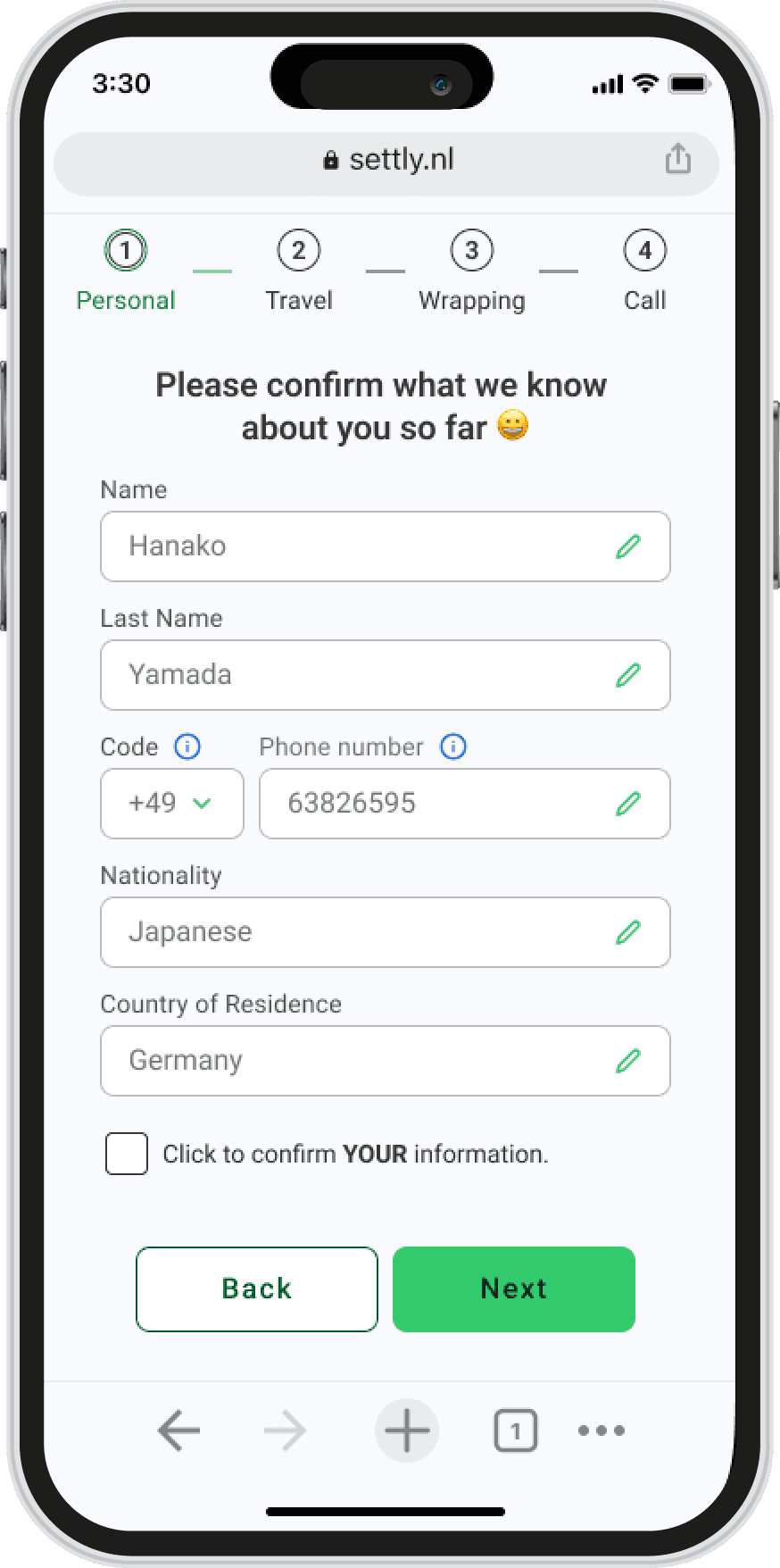
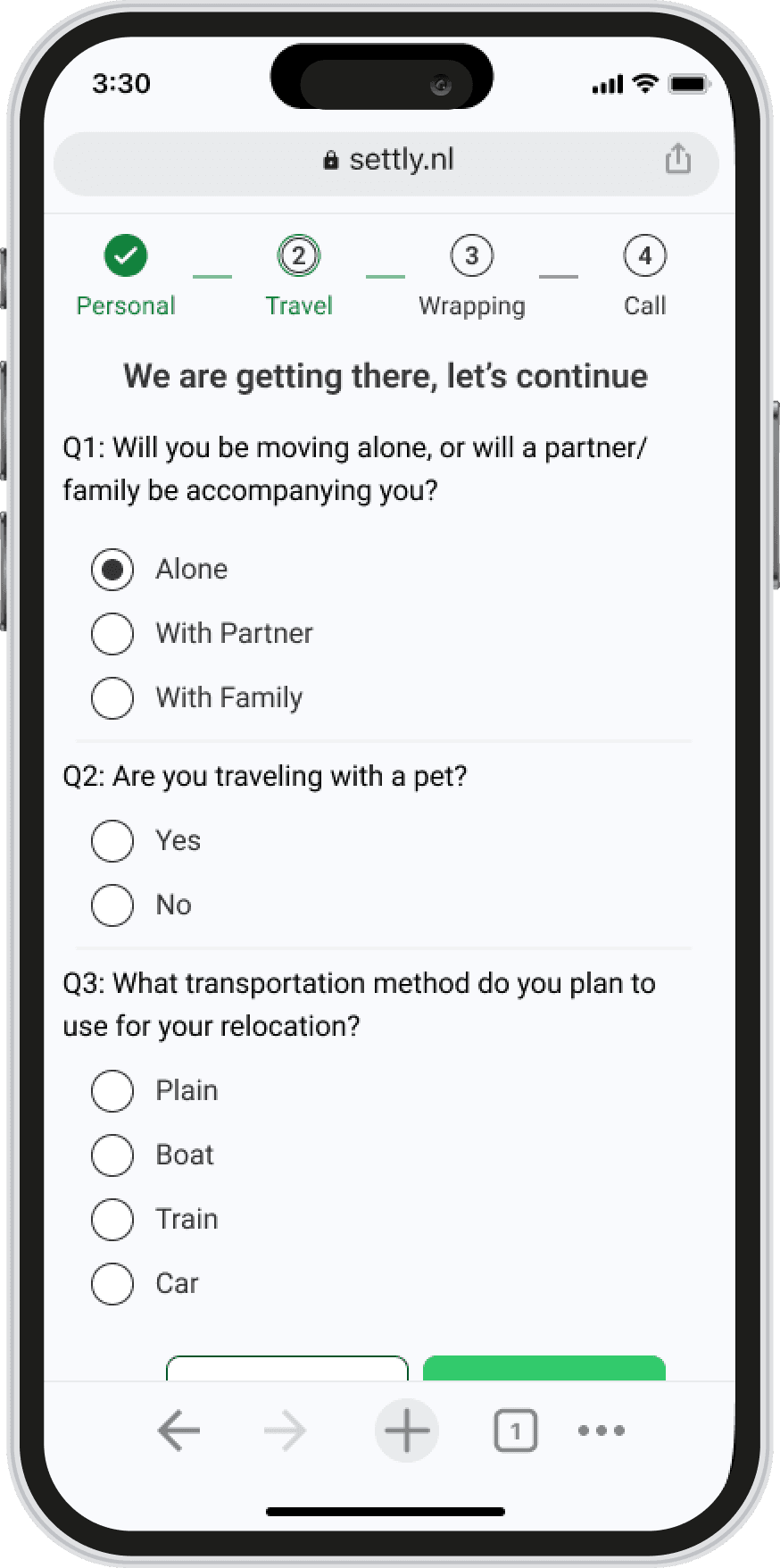
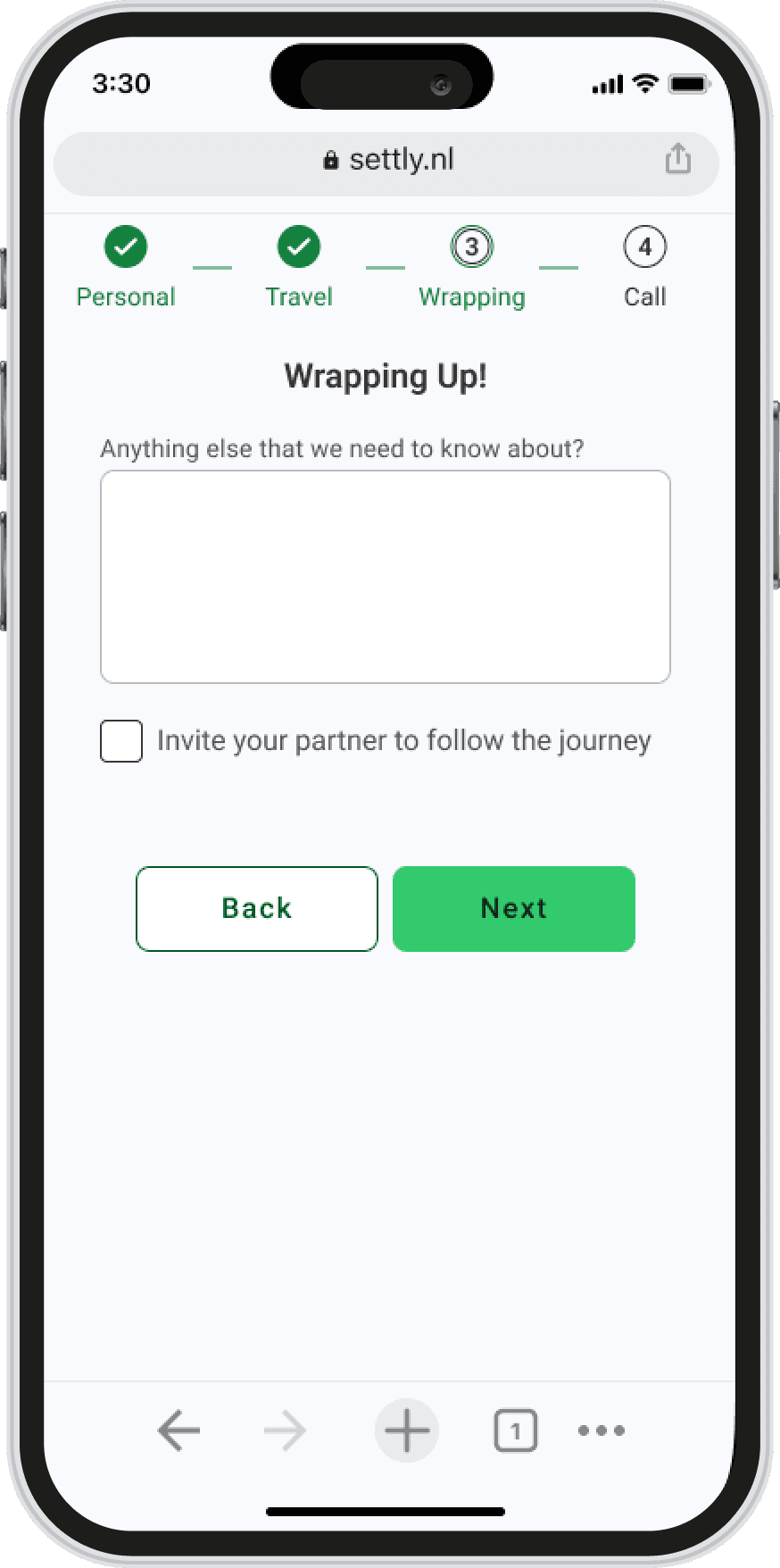
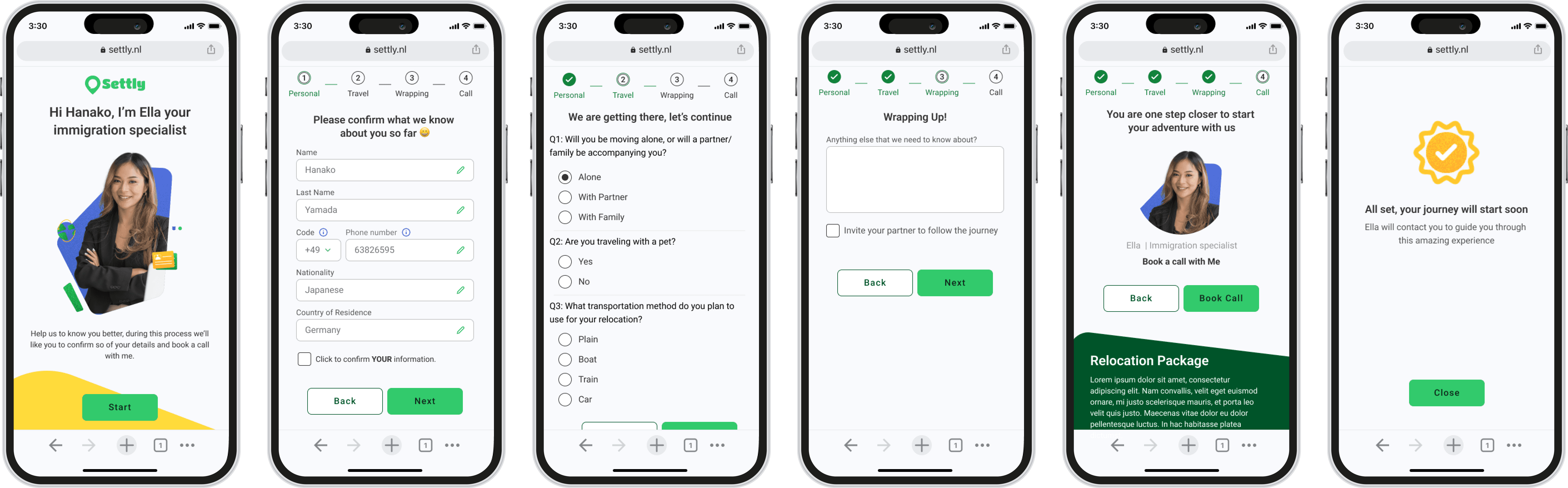
Skilled worker onboarding

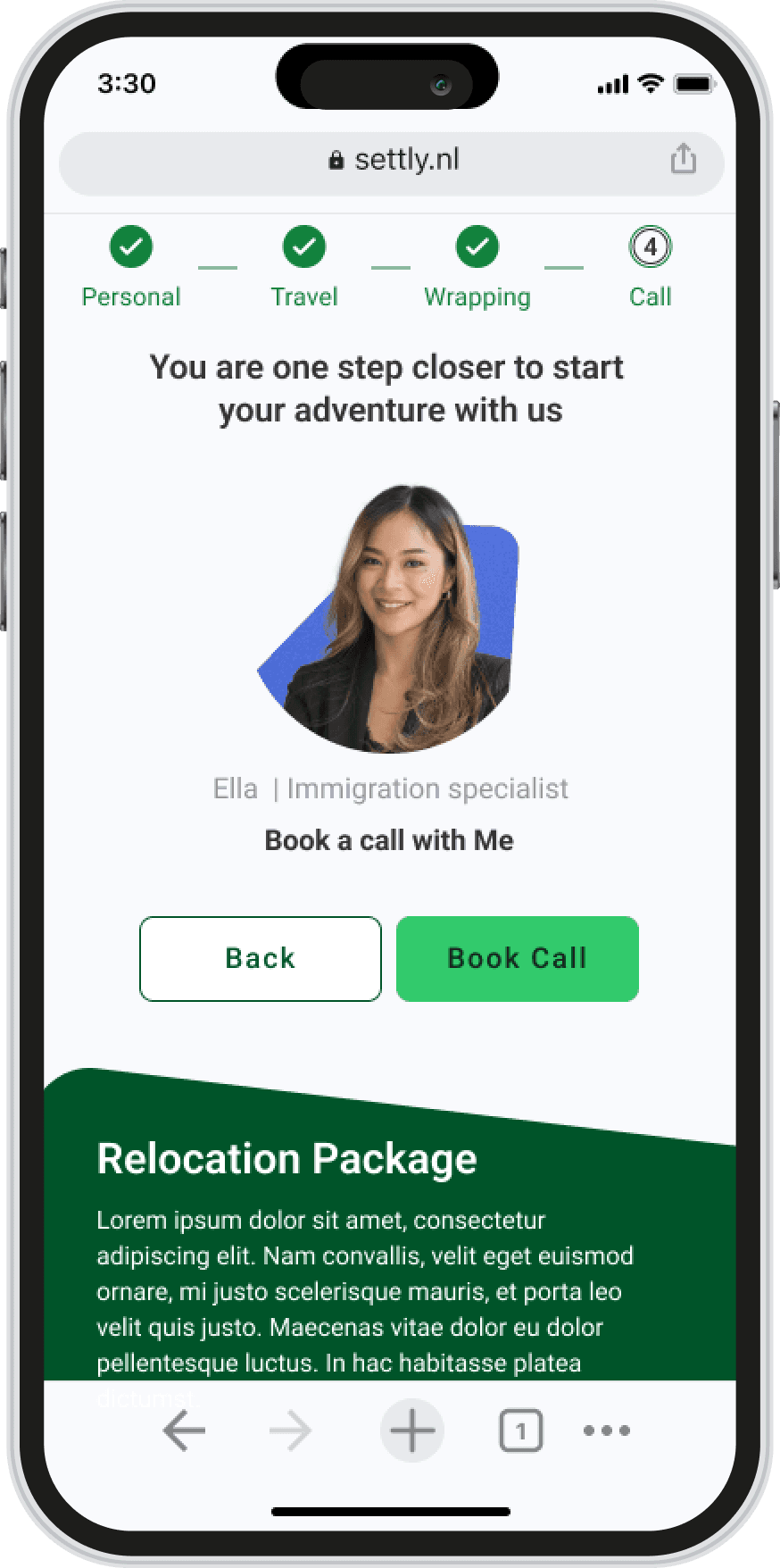
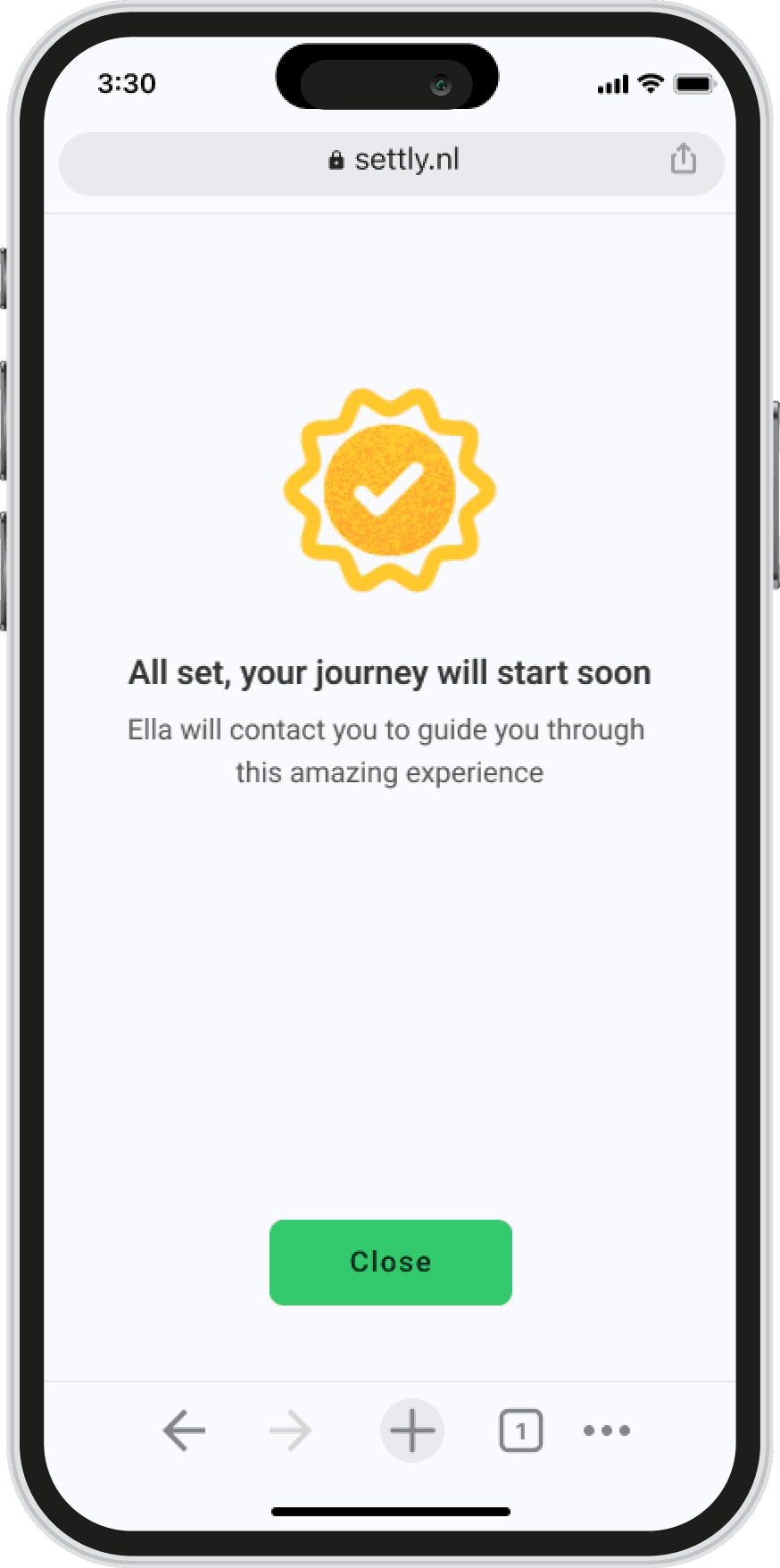
Workers accessed a mobile-first experience (90% handle relocation on their phones) with a shorter, customized onboarding form adapted to their nationality.

Specialists' Dashboard

Specialists got a unified workspace, note-taking, expense tracking, document vault, and process indicators, enabling them to manage the entire process in one place.

Before

After

Skilled worker

Workers accessed a mobile-first experience (90% handle relocation on their phones) with a shorter, customized onboarding form adapted to their nationality.

Specialists' Dashboard

Specialists got a unified workspace, note-taking, expense tracking, document vault, and process indicators, enabling them to manage the entire process in one place.


Before

After

Skilled worker

Workers accessed a mobile-first experience (90% handle relocation on their phones) with a shorter, customized onboarding form adapted to their nationality.

Outcome_

We exceeded all targets:


  1. Specialists handled 27% more cases (12 to 15 per month)

  2. Time per case dropped 51% to 1.7 months

  3. Customer service tickets dropped in 80% of cases, followed
    standardized templates.

  4. Satisfaction reached 4.9 (target: 4.8)

We exceeded all targets:


  1. Specialists handled 27% more cases (12 to 15 per month)

  2. Time per case dropped 51% to 1.7 months

  3. Customer service tickets dropped in 80% of cases, followed standardized templates.

  4. Satisfaction reached 4.9 (target: 4.8)

Takeaway_

By treating onboarding as a role-based, interconnected system, we were able to turn a fragmented process into a scalable growth driver. Standardizing the experience for everybody streamlined operations, improved collaboration, efficiency, and user satisfaction.


The biggest unlock was shared visibility. By giving everyone real-time access to the same information, we eliminated the anxiety and friction blocking scale, allowing Settly to focus on scaling operations rather than firefighting process breakdowns.